Free Delivery Across Pakistan | Cash on Delivery | 100% Original Products

10 Easy Homemade Herbal Hair Care Solutions for Beautiful Hair
2/28/202610 min read


Introduction to Herbal Hair Care
Herbal hair care is an approach increasingly recognized for its effectiveness and safety, focusing on the use of natural ingredients derived from plants. This method not only nurtures hair but also complements overall health by steering clear of harmful chemicals often found in conventional hair care products. The benefits of using herbal solutions for hair care are manifold, including enhanced nourishment, improved scalp health, and a lower risk of allergic reactions. By embracing herbal hair care, individuals can experience a more organic and gentle way to maintain their hair’s beauty.
One of the primary appeals of herbal hair care lies in the customization it offers. Natural ingredients are readily available and can be tailored to fit various hair types and concerns, whether it’s dryness, frizz, or hair loss. With a variety of herbs, oils, and other natural components, one can create formulations that effectively address specific needs without resorting to synthetic additives. Moreover, herbal treatments cultivate a holistic approach to hair health, promoting not only aesthetics but also well-being.
This blog post will explore ten simple yet effective homemade herbal hair care solutions, each of which can be easily prepared in the comfort of your own home. These recipes are designed to harness the power of nature, showcasing the simplicity of creating treatments that nourish and rejuvenate hair. From revitalizing hair masks to soothing scalp treatments, the forthcoming solutions will provide readers with practical alternatives to commercial products, emphasizing both ease of use and effectiveness.
In a market saturated with chemical-laden options, the shift toward herbal hair care speaks to a growing desire for safer, greener choices. As we delve further into herbal hair care solutions, the focus will remain on empowering individuals with knowledge and recipes that promote beautiful, healthy hair naturally.
Aloe Vera Gel for Moisture and Shine
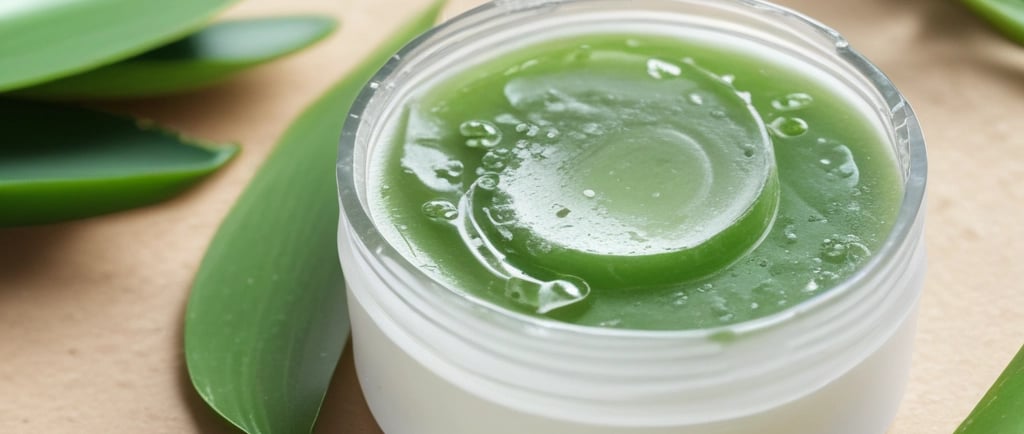
Aloe vera is renowned for its moisturizing properties, making it an excellent natural solution for hair care. Rich in vitamins, minerals, and enzymes, aloe vera not only provides deep hydration but also enhances the shine of hair. Its gelatinous structure allows it to coat the hair, imparting moisture without weighing it down, which can lead to a softer and healthier appearance. Additionally, the antibacterial and antifungal properties of aloe vera can help maintain a healthy scalp, reducing dandruff and promoting overall scalp health.
For those looking to harness these benefits, creating your own aloe vera hair gel is a straightforward process. To make aloe vera gel, you will need: fresh aloe vera leaves, a knife, and a blender.
First, select a healthy aloe vera leaf from the plant. Cut a leaf close to the base, ensuring it is thick and fleshy, as this will yield more gel. Rinse the leaf under cool water to remove any dirt, then place the leaf on a cutting board and slice it lengthwise to expose the inner gel. Use a spoon to scoop out the translucent gel into a blender.
Next, blend the extracted gel until smooth. If you prefer a thinner consistency, you may add a tablespoon of distilled water. After blending, transfer the gel into a clean, airtight container and refrigerate. This homemade aloe vera gel can be applied directly to your hair and scalp.
To use, simply take a small amount of the gel and massage it into your scalp and through the lengths of your hair. Leave it on for about 30 minutes before rinsing with a mild shampoo. For optimal results, incorporate this treatment into your hair care routine once or twice a week. This simple recipe capitalizes on the natural properties of aloe vera, aiding in moisture retention and promoting a healthy shine for beautiful hair.
Coconut Oil and Honey Mask for Deep Conditioning
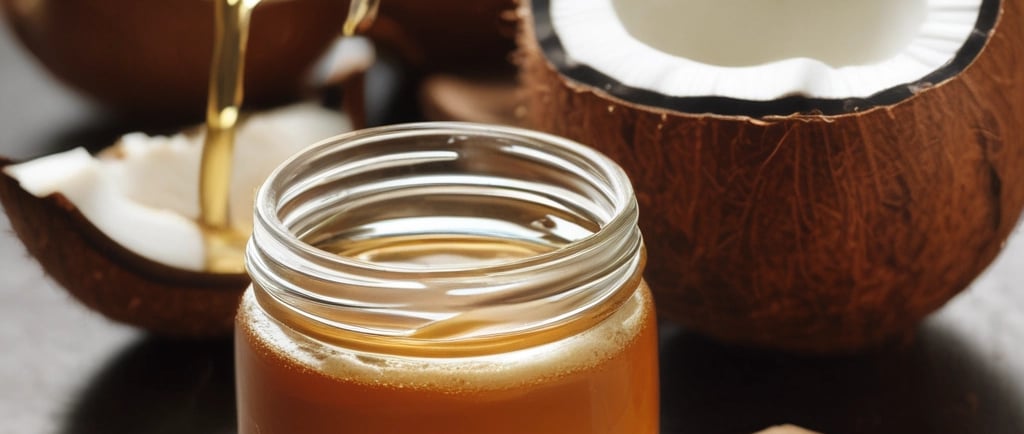
Coconut oil and honey are two powerful natural ingredients known for their conditioning properties, making them exceptionally beneficial for hair care. Coconut oil is rich in fatty acids, which help to deeply penetrate the hair shaft, providing hydration and nourishment. It acts as a natural moisturizer, preventing dryness and reducing frizz. On the other hand, honey is a natural humectant, meaning it attracts and locks in moisture, which is essential for maintaining healthy, beautiful hair. Together, they create a synergistic blend that promotes softness, shine, and overall hair health.
To prepare a simple coconut oil and honey hair mask, you will need the following ingredients: 2 tablespoons of organic coconut oil and 1 tablespoon of raw honey. Begin by gently warming the coconut oil until it is liquid, if it is solid in form. This can be done by placing the container in hot water or microwaving it for a few seconds. Once heated, mix in the honey until you achieve a smooth, homogenous mixture.
For application, first ensure that your hair is clean and damp. Section the hair for easier application, beginning from the roots to the tips. Use your fingers or a brush to apply the mask generously, ensuring that every strand is covered. After application, gather your hair and secure it in a bun or braid, then cover it with a shower cap to enhance the mask’s effectiveness. Leave it on for 30 minutes to one hour to allow deep conditioning to occur.
For optimal results, this mask can be used once a week. Following the treatment, wash your hair with a gentle sulfate-free shampoo and conditioner to ensure all residue is removed. This routine will help maintain the hydration and shine, promoting overall healthy hair growth.
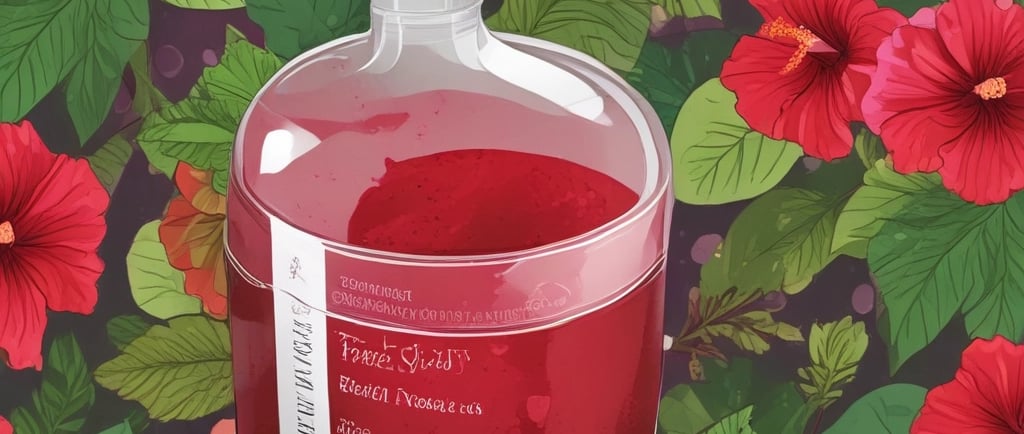
Hibiscus Flower Rinse for Strength and Growth
Hibiscus flowers are renowned for their numerous benefits to hair health, particularly in promoting strength and stimulating growth. The natural properties of hibiscus help in reducing hair fall while enhancing the overall vitality of the hair. Rich in vitamin C and amino acids, hibiscus flowers are known to nourish the hair follicles, making them an excellent choice for individuals looking to improve the thickness and length of their hair. Additionally, hibiscus can assist in balancing oil production on the scalp, reducing dandruff and promoting a healthier scalp environment.
To prepare a hibiscus flower rinse, follow these steps:
Ingredients:
5-6 fresh hibiscus flowers (or 2-3 dried ones)
1 cup of water
Preparation:
Start by washing the hibiscus flowers thoroughly to remove any dirt or impurities.
In a pot, bring 1 cup of water to a boil.
Once the water reaches a rolling boil, add the washed hibiscus flowers.
Let the mixture simmer for about 10-15 minutes to allow the nutrients to infuse into the water.
Remove the pot from the heat and let the mixture cool.
After cooling, strain the mixture to extract the liquid, which is your hibiscus flower rinse.
Application:
After shampooing, pour the hibiscus rinse over your hair.
Massage the rinse gently into your scalp and hair to ensure even distribution.
Leave it on for about 10-15 minutes for optimal results.
Rinse out with cool water.
Frequency of Use:
For best results, it is advisable to use the hibiscus flower rinse once a week. This regular application will help strengthen your hair, stimulate growth, and enhance its overall appearance over time.
Rosemary Oil Infusion for Scalp Health
Rosemary oil is a well-known essential oil that has gained recognition for its numerous benefits for scalp health and promoting hair growth. Rich in antioxidants and anti-inflammatory properties, rosemary oil can help stimulate blood circulation in the scalp, thereby encouraging hair follicles to become more active. This stimulation can result in healthier hair growth and may even help slow down hair loss. Moreover, the antimicrobial properties of rosemary oil can assist in maintaining a clean and healthy scalp, which is crucial for optimal hair health.
To create your homemade rosemary oil infusion, you will need fresh rosemary leaves, a carrier oil such as olive or coconut oil, and a glass jar. Start by washing the fresh rosemary leaves thoroughly to remove any dirt or impurities. Pat them dry and roughly chop the leaves to release their natural oils. Next, place the chopped rosemary in a glass jar and cover it with your chosen carrier oil, ensuring that the leaves are fully submerged.
Seal the jar tightly and place it in a warm, sunny location for about two to four weeks. This process allows the goodness of the rosemary to infuse into the oil. During this time, it is beneficial to shake the jar gently every few days to help release the oils further. After the infusion period, strain the oil carefully to separate the rosemary leaves from the oil. Your rosemary oil is now ready to use!
In your hair care routine, apply rosemary oil directly to your scalp, massaging gently to enhance blood circulation. You can use it as a pre-shampoo treatment by leaving it on for at least 30 minutes or overnight, or add it to your regular hair conditioner for an extra boost. Incorporating rosemary oil infusion into your hair care routine can significantly contribute to scalp health and support the growth of beautiful, vibrant hair.
Fenugreek Seeds for Dandruff Control
Fenugreek seeds, also known as methi, have long been revered in traditional medicine for their potential benefits in promoting healthy hair and scalp. One of the most significant advantages of using fenugreek seeds is their effectiveness in controlling dandruff. The natural properties of these seeds help to combat the underlying causes of dandruff, such as dryness and irritation, while also promoting overall scalp health.
To prepare a simple fenugreek seed treatment, follow these steps. Begin by measuring out two tablespoons of fenugreek seeds. Rinse the seeds under cool water to remove any impurities. Once cleaned, soak the seeds in water overnight or for a minimum of four to five hours. This soaking process not only softens the seeds but also enhances their nutrient release.
After soaking, drain the water and transfer the seeds to a blender. Add a small amount of fresh water to facilitate blending, if necessary. Blend the seeds into a smooth paste. This paste can be applied directly to the scalp, ensuring that it reaches the areas most affected by dandruff. Gently massage the paste into the scalp using circular motions, allowing the nourishing properties of the fenugreek to stimulate blood circulation.
Once applied, leave the paste on for approximately 30 to 45 minutes. During this time, the fenugreek seeds' natural oils and proteins work to hydrate and soothe the scalp. Finally, rinse thoroughly with mild shampoo and lukewarm water. Regular use of this fenugreek treatment, at least once a week, can significantly help in reducing dandruff while promoting a healthy scalp environment. Incorporating fenugreek seeds into your hair care routine is not only easy but also an effective natural solution for those struggling with dandruff.
Green Tea Spray for Hair Shine and Hairspray Alternative
Green tea is renowned for its myriad health benefits, but its positive impact on hair care is often overlooked. Packed with antioxidants, green tea helps to strengthen hair follicles and promote hair growth. Additionally, it can significantly enhance hair shine, making it a favored choice among those seeking natural hair care solutions. The polyphenols present in green tea not only add luster but also act as a protective barrier against environmental damage, keeping your hair healthy and vibrant.
Another remarkable quality of green tea is its potential to function as a natural hairspray alternative. Traditional hairsprays often contain harmful chemicals that can damage hair over time. In contrast, a green tea-based spray provides light hold while nourishing the hair, allowing for styling flexibility without the negative side effects.
To create your own homemade green tea hair spray, you'll need the following ingredients: 1 cup of brewed green tea (cooled), 1 tablespoon of aloe vera gel, and a few drops of essential oil for fragrance (optional). First, brew your green tea and allow it to cool completely. Once cooled, mix the brewed green tea with the aloe vera gel in a spray bottle. If you wish, add a few drops of your favorite essential oil to enhance the aroma. Shake well to combine the ingredients.
This DIY green tea spray can be used daily to boost shine and provide a light hold. Simply spray it onto your hair, focusing on the ends to avoid greasiness. The spray can also be applied before styling to offer additional protection and shine enhancement. With regular use, you will notice a significant improvement in the overall health and appearance of your hair, making it a splendid addition to your hair care routine.
Neem Oil for Scalp Cleansing and Anti-Dandruff
Neem oil, derived from the seeds of the neem tree, is renowned for its potent antibacterial, antifungal, and anti-inflammatory properties. These characteristics make it particularly effective in promoting scalp health and combating dandruff. Dandruff is often the result of an imbalance in the scalp’s natural environment, typically leading to dryness or overproduction of oil. Neem oil assists in restoring this balance, helping to keep the scalp clean and free from impurities, while also soothing irritation and flaking.
One of the remarkable aspects of neem oil is its ability to penetrate deeply into the scalp, ensuring effective cleansing and nourishment. Its antifungal properties target the fungus often responsible for dandruff, thereby reducing itching and flaking. Moreover, neem oil also helps in improving blood circulation to the scalp, which can encourage healthy hair growth.
To create a DIY neem oil treatment, you will need the following ingredients:
2 tablespoons of neem oil
1 tablespoon of coconut oil (optional, for added moisture)
1 tablespoon of carrier oil (such as jojoba or olive oil)
To prepare the treatment, mix the neem oil with your chosen carrier oil in a bowl. If using coconut oil, melt it gently before combining it with the neem oil, as it solidifies at lower temperatures. Once adequately mixed, section your hair and apply the oil directly to your scalp using your fingertips. Massage gently in circular motions to enhance absorption and stimulate the follicles.
Leave the treatment on for at least 30 minutes; for optimal results, consider leaving it on overnight and washing it out the following morning with a mild shampoo. This treatment can be performed once a week to maintain scalp health and reduce dandruff effectively, promoting overall hair wellness.
Conclusion: Embracing Natural Hair Care
In conclusion, this blog post has explored various easy homemade herbal hair care solutions that empower individuals to take charge of their hair health. Each recipe highlighted utilizes natural ingredients known for their beneficial properties, emphasizing the efficacy of herbal remedies in promoting beautiful hair. By incorporating these simple, yet effective treatments into your routine, you can harness the power of nature to enhance your hair's strength, shine, and overall appearance.
Homemade hair care solutions not only offer financial savings but also allow for a personalized approach to hair treatment. Readers are encouraged to experiment with the recipes provided, adjusting them to suit their specific hair types and needs. This level of customization not only enhances the effectiveness of the treatments but also fosters a deeper connection to the natural ingredients being used. Furthermore, sharing experiences with these herbal solutions can create a supportive community, where individuals can exchange tips and results.
The importance of embracing natural hair care cannot be overstated. With increasing awareness of the potential side effects of commercial hair products, many are turning toward herbal alternatives to maintain healthy hair. Integrating these homemade solutions into your hair care regimen can lead to healthier, more vibrant locks. Embracing natural methods not only contributes to personal well-being, but it also encourages a more sustainable approach to beauty. As you embark on this journey toward healthier hair, remember that every strand counts, and your efforts will surely yield beautiful results.
The Beauty Vault
Explore our social media platforms and stay connected
Contact
Newsletter
+92 3135031009
+92 316 9606661
© 2024. All rights reserved.